
This case study came out of a product sprint at Nebula Labs, a student PM org I helped run. We picked T-Mobile Protection 360 because it sits in an interesting category: a subscription product that most users forget they have until something breaks.
The research question was simple. What do users actually say about this product when they bother to leave a review? We went to G2 and Trustpilot, read through hundreds of reviews, and pulled the signal. Here is what we found.
The Product
T-Mobile Protection 360 is a device protection subscription at $7 to $25/month depending on the plan. It covers screen repairs, accidental damage, loss, and theft. Customers manage claims, track coverage, and view billing through the mobile app. At T-Mobile scale, millions of subscribers are paying for this every month.
Three Pain Points from Real Reviews
User research from G2 and Trustpilot
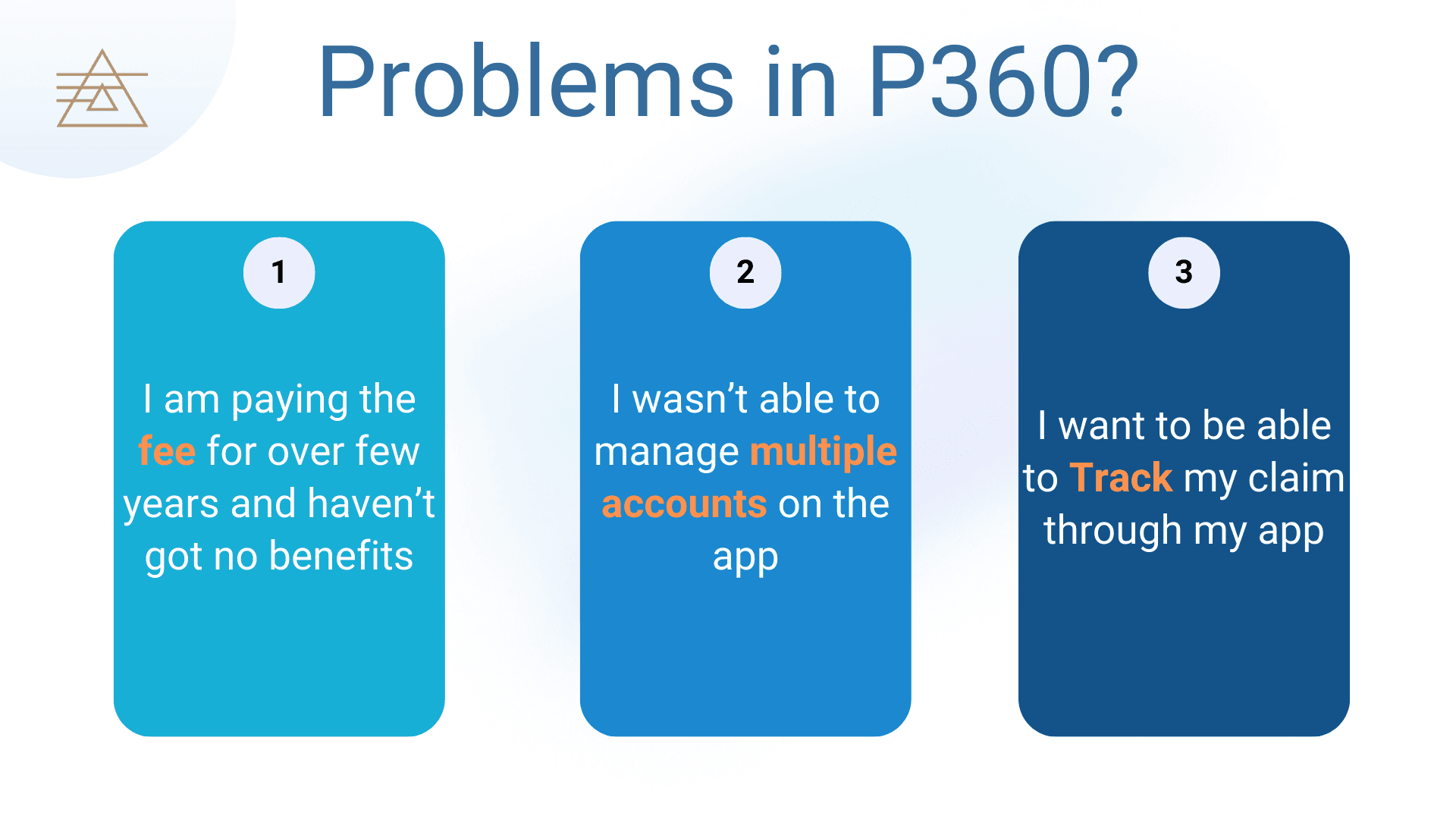
Value Clarity
Users do not understand what they are paying for or what they have used
"I am paying the fee for over few years and haven't got no benefits"
This is not about the product being bad. It is about the product being invisible. A subscriber paying for years who never files a claim has no sense of what they are getting. The app does not surface value proactively. No usage summary. No coverage reminders. No "you are protected" moment.
Multi-Account Management
Family plan subscribers cannot manage multiple lines from one view
"I wasn't able to manage multiple accounts on the app"
T-Mobile is a family plan product. Many subscribers have 3 to 5 lines on a single account. The app treats each device as a separate entity, forcing account holders to switch contexts or call support to manage coverage across the family. The support team bears the cost of this gap.
Claim Tracking
Users have no visibility into where their claim is after filing
"I want to be able to Track my claim through my app"
Filing a claim and then going silent is a trust-eroding experience. Users do not know if their claim was received, what the next step is, or when to expect resolution. Every unanswered question becomes a support call. Claims are the highest-anxiety moments in the product lifecycle and the app does the least at exactly that point.
Feature Recommendations and Success Metrics
Three feature areas, each tied to a measurable business outcome
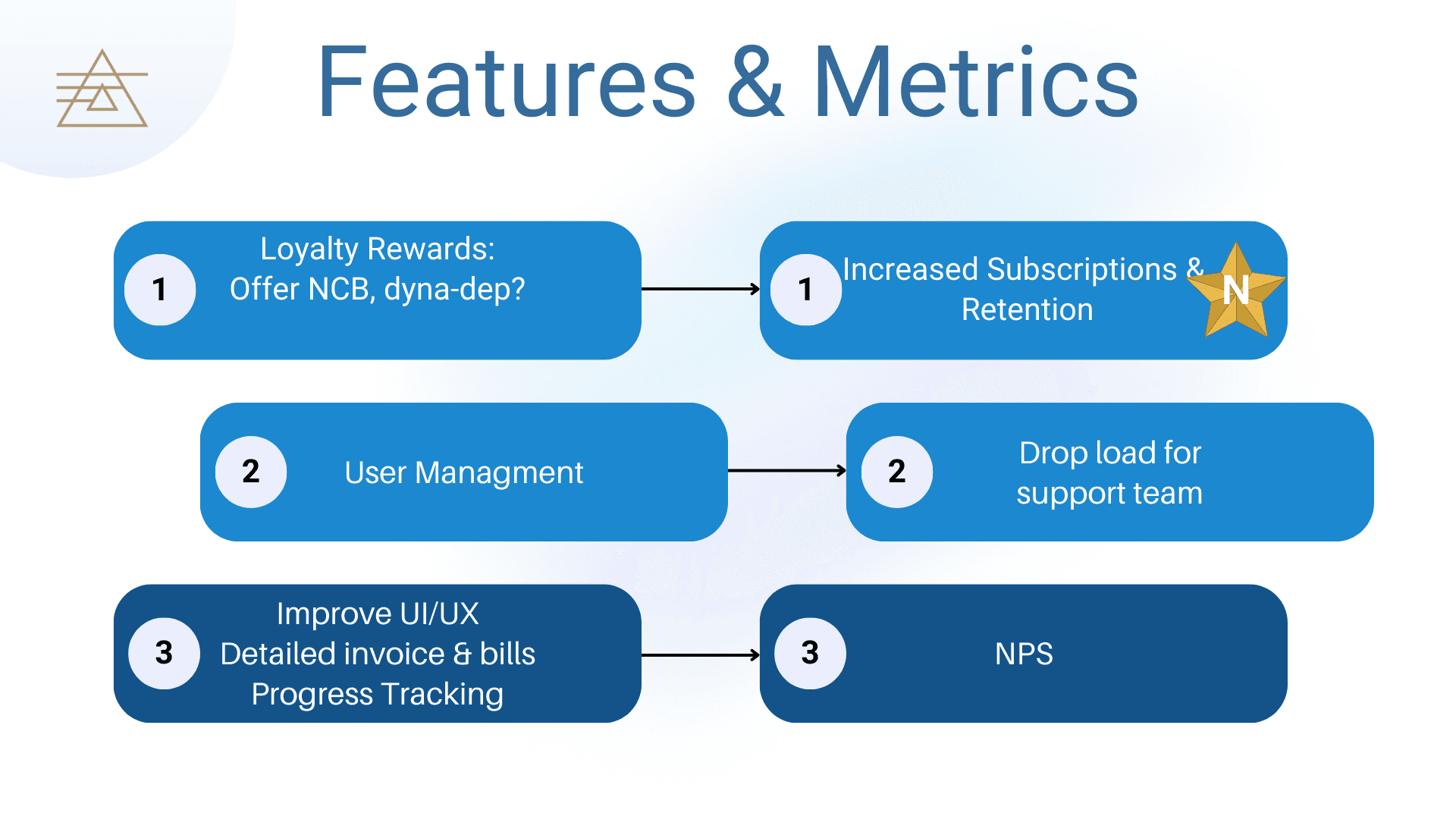
Loyalty Rewards
Increased Subscriptions and Retention
North Star metric
Introduce a No Claim Bonus (NCB) — a deductible reduction for subscribers who have not filed a claim in 12 months. Layer in dynamic deductible adjustments based on tenure and plan tier.
Subscribers who never claim have no tangible reason to stay. NCB makes loyalty visible and monetizable. It also surfaces the protection value that long-term subscribers have been silently receiving.
User Management
Drop load for support team
Operational efficiency
Build a unified family dashboard showing all lines under a single account. Allow the account holder to view coverage status, claim history, and billing for each device from one screen.
Family plan customers are the highest LTV segment. Right now they are also the highest support cost. Giving them self-serve management reduces call volume and improves satisfaction for the segment most worth retaining.
UI/UX Improvements + Claim Tracking + Detailed Billing
NPS improvement
User satisfaction
Add real-time progress tracking for active claims with status updates (Filed, In Review, Approved, Shipped, Complete). Improve invoice detail so subscribers can see what they have paid and what coverage they carry.
Claims are the moment of maximum user stress and minimum product transparency. Progress tracking converts anxiety into trust. Better billing converts confusion into perceived value.
Prioritized Roadmap
Sequenced by impact, risk, and dependency
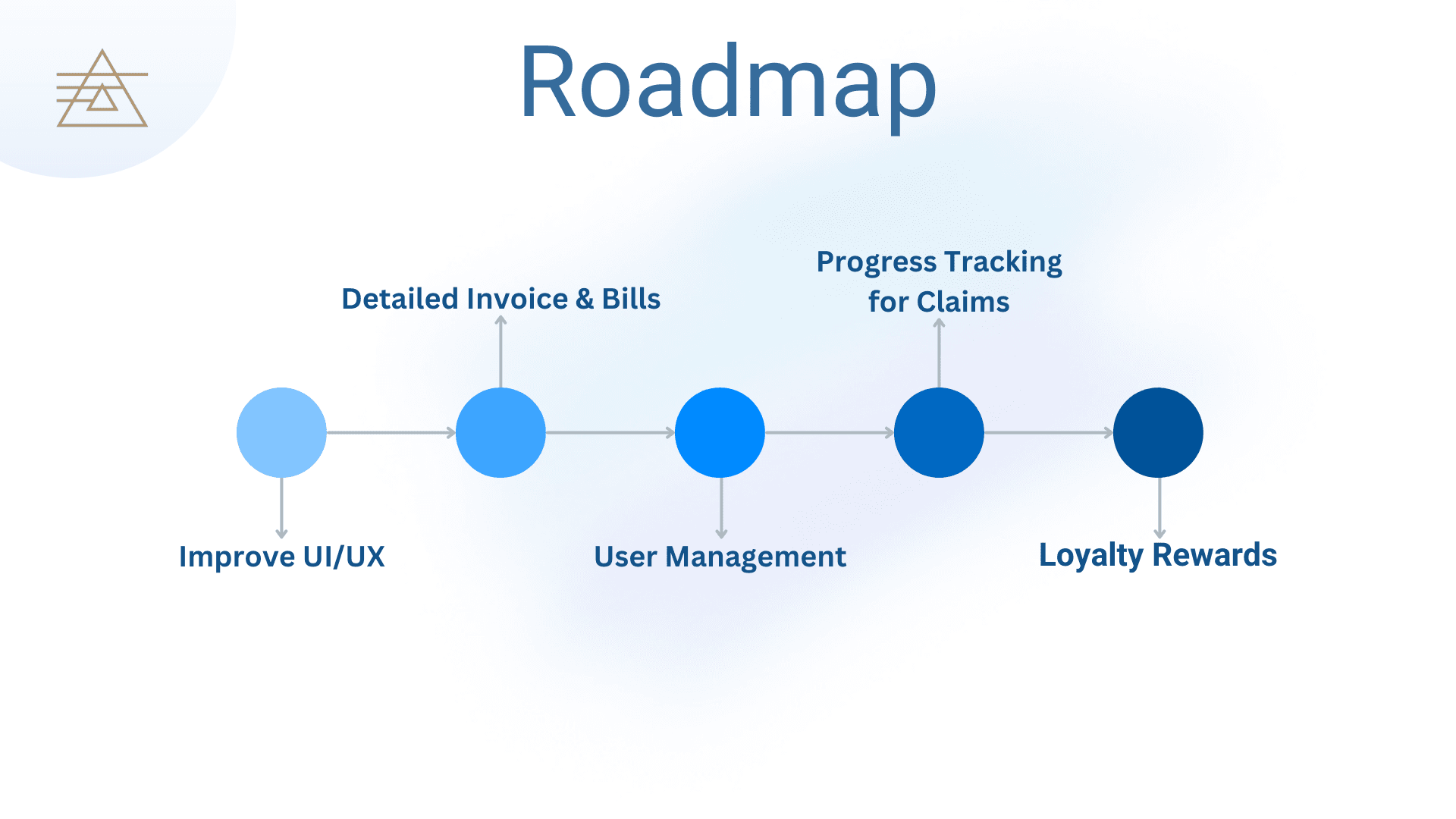
Improve UI/UX
Low risk, high-visibility. Lays the foundation for every feature that follows. A confusing nav structure blocks adoption of claim tracking and user management.
Detailed Invoice and Billing
Directly addresses value clarity. Subscribers who can see what they are paying for and what they are covered for are less likely to churn. Fast to build, measurable impact on support ticket volume.
User Management
Enables family plan self-service. Requires backend work to unify account views but the support cost reduction justifies the investment. Builds on the improved nav from step 1.
Progress Tracking for Claims
Highest anxiety user moment. Backend integration with the claims system is the main dependency. Once user management is live, this can be surfaced per device in the family dashboard.
Loyalty Rewards (NCB + Dynamic Deductible)
Highest strategic impact, but requires cross-functional alignment with pricing, legal, and finance. Positioned last because it depends on the trust and clarity built by steps 1 to 4. Users need to understand their coverage before a loyalty reward means anything.
What This Reveals About Product Thinking
01
Reviews are underrated research
App store and G2 reviews are unfiltered user voice. Users write when they are frustrated or delighted. Both states reveal what matters most.
02
Invisible value is churn risk
A subscriber who does not understand what they are paying for is one billing cycle away from cancelling. Value clarity is retention strategy.
03
Sequence matters as much as selection
The right features shipped in the wrong order create dependencies that slow you down. Trust and clarity before monetization.
The PM lesson
Insurance products have a fundamental UX problem: the best outcome for the user is never needing the product. That means every non-claim interaction has to carry the weight of justifying the subscription. Make value visible before users ask why they are paying.